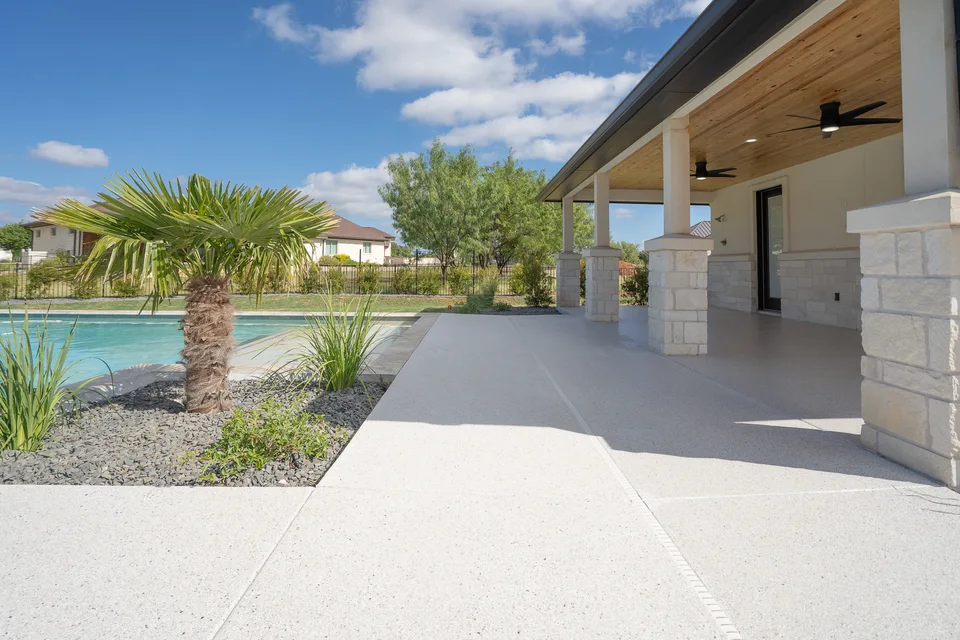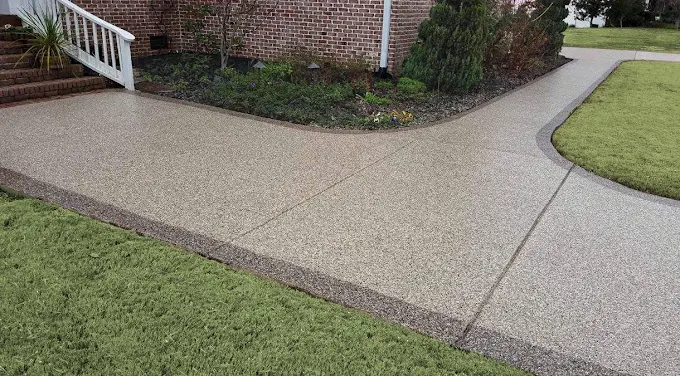
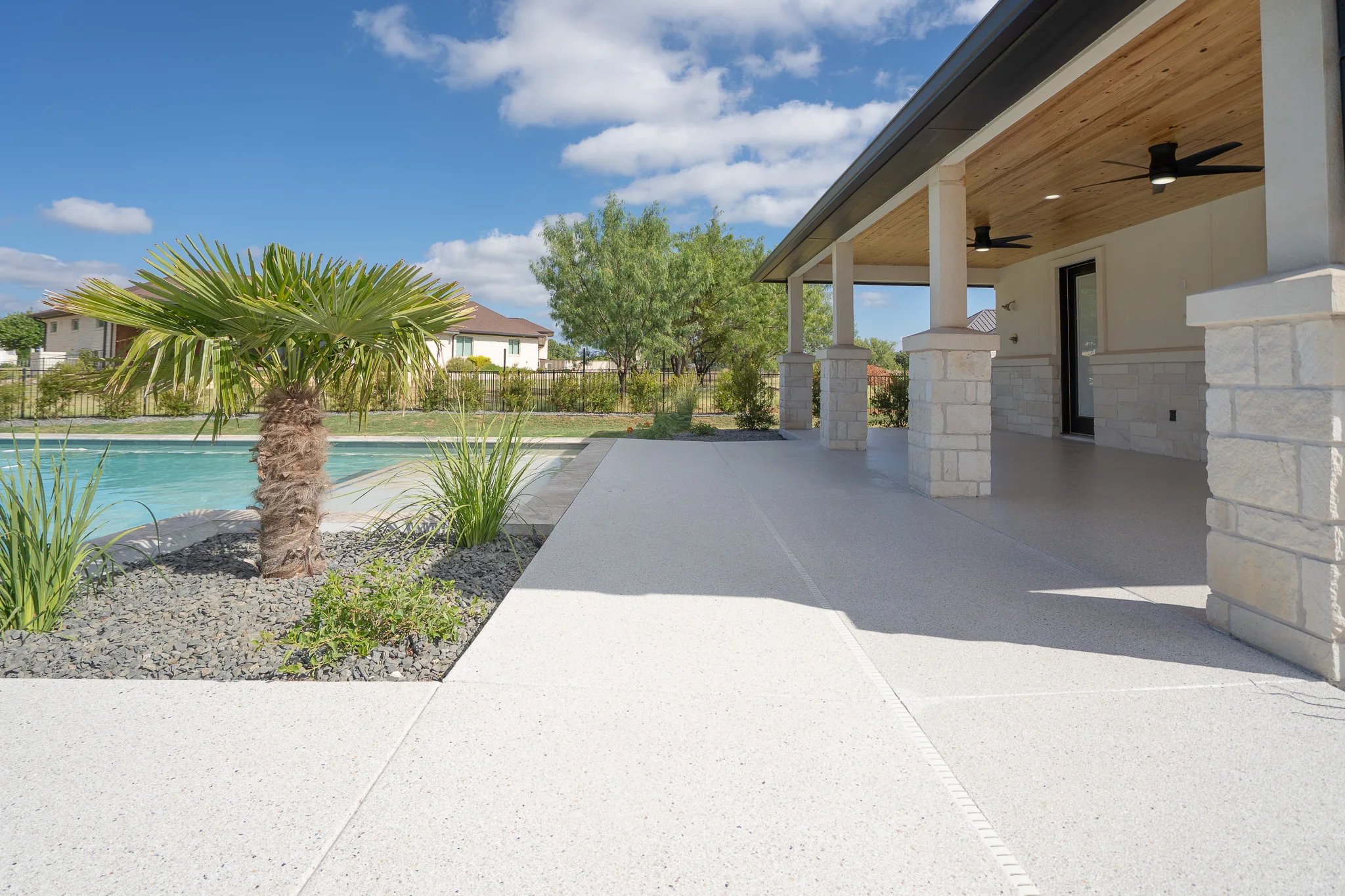
Finished decorative floor coating beside a pool and covered patio in Bee Cave, TXPool deck / Bee Cave, TX

Hiroma Surfaces

Garage, Patio and Pool Deck Floor Coatings in Austin and the Hill Country

Finish the floor you walk across every day.

You've taken care of almost everything else. The floor's still waiting its turn. Hiroma's here to finish it properly.Serving Austin, Kyle, Bee Cave and the Hill Country.

Add the approximate size and two or three photos in the quote form. We'll review your space and explain the next steps.

Your floor

Why a coated floor finishes the space

Sometimes it's the garage with bikes along the wall and a workbench in the corner. Sometimes it's the patio with chairs you love and concrete you don't. Everything else is already right, but the floor leaves something to be desired.

A coated floor won't organize the shelves or plan the next cookout. But it can make the garage or patio feel less like something you'll get to later, and more like part of the home you already enjoy.

Hiroma installs polyaspartic floor coatings for garages, patios, pool decks and commercial spaces across Austin and the Hill Country.

How our floor coating system works
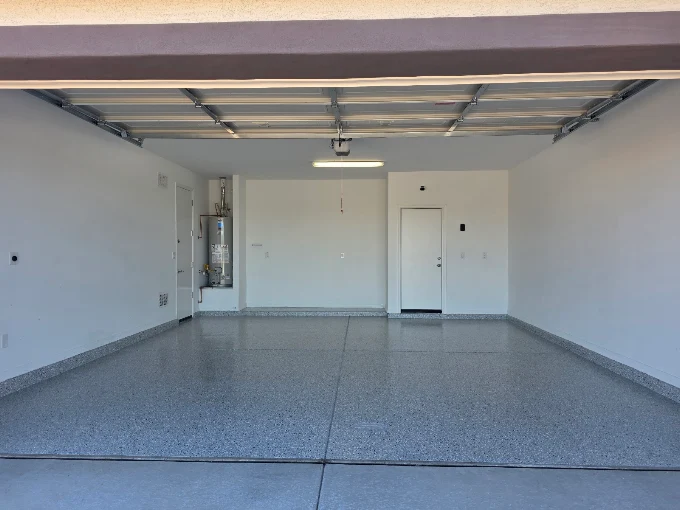
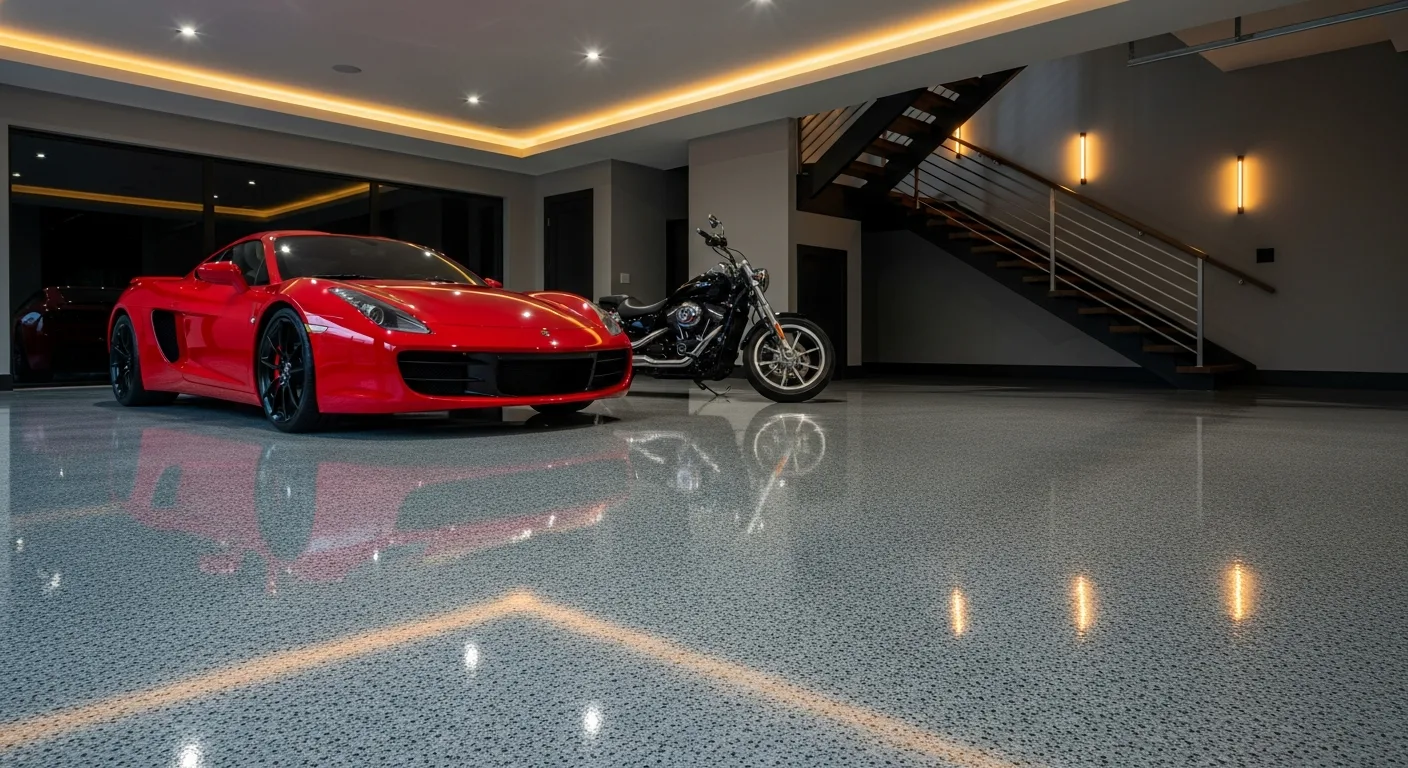
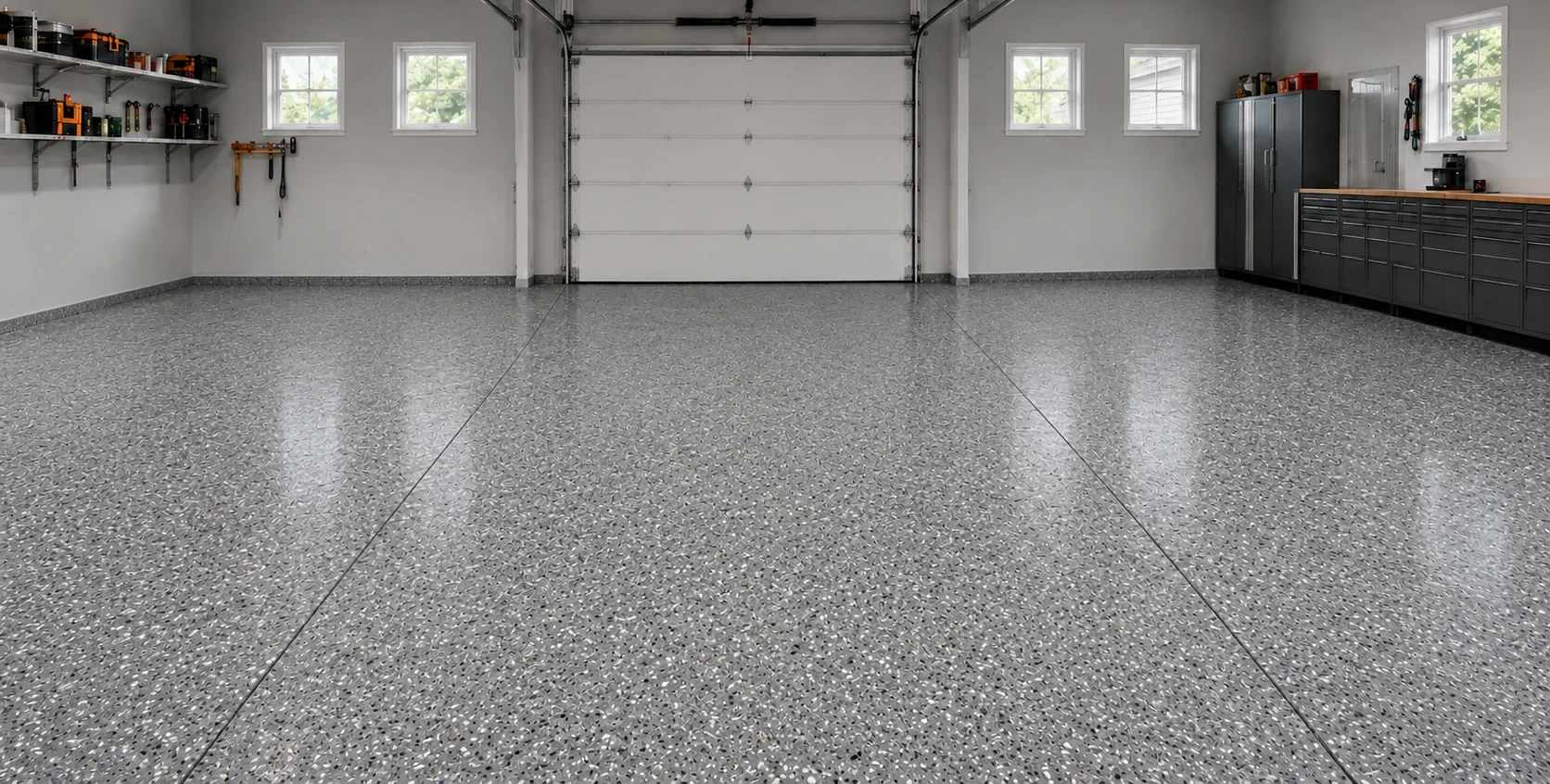
Finished decorative flake garage floor
The Hiroma approach

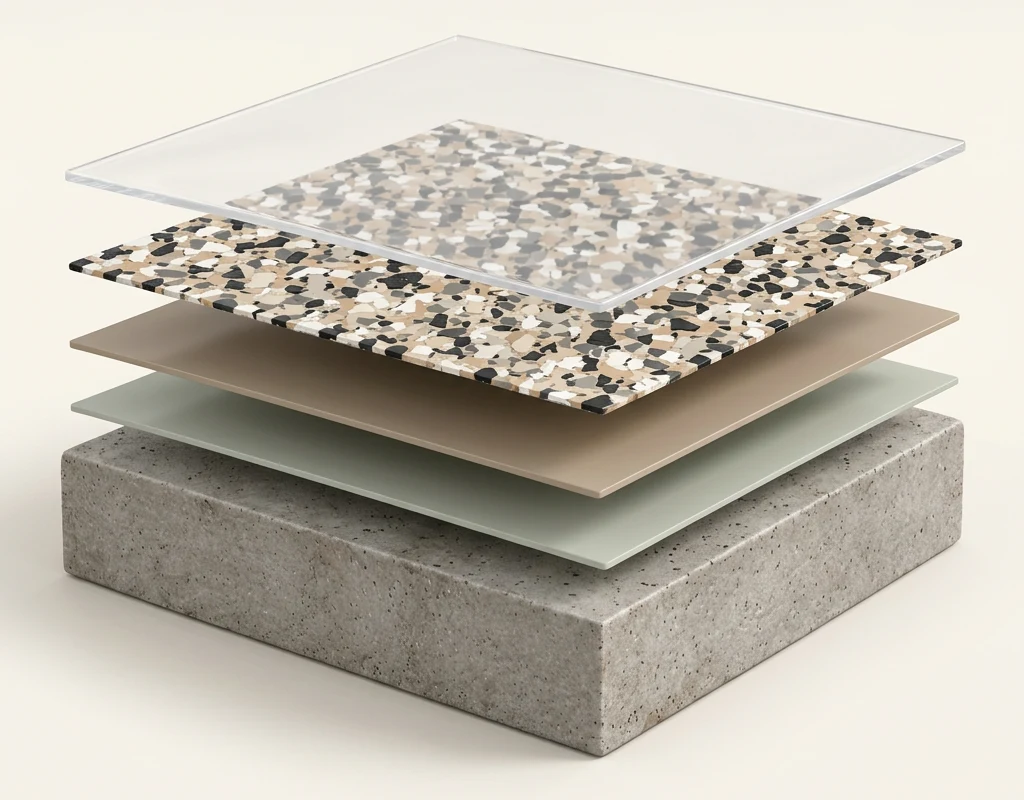
The Hiroma floor coating system, built from the concrete up

Every surface is different. We evaluate the condition of your concrete and choose the right preparation for your project. Where conditions allow, we use our no-grind bonding primer as part of the coating system, which also includes a polyurea basecoat, decorative flake and a polyaspartic topcoat. Repairs, existing coatings or other surface conditions may require additional preparation.

Exploded view of four thin coating layers above the existing concrete slab

From topcoat to concrete

  1. Polyaspartic topcoat
  2. Decorative flake
  3. Polyurea basecoat
  4. Hiroma No-Grind Bonding Primer
  5. Existing concrete

Non-acid concrete preparation

We evaluate cracks, existing coatings and moisture concerns first. The inspection confirms whether non-acid preparation is right for your slab. Where conditions allow, we use our no-grind bonding primer as part of the system.
Polyurea basecoat

Once the concrete is ready, the polyurea basecoat is applied beneath the flake and finish.

Decorative flake layer

The flake blend adds the color and pattern you see in the finished floor.

Polyaspartic topcoat

The clear topcoat seals the flake and forms the surface you walk on.

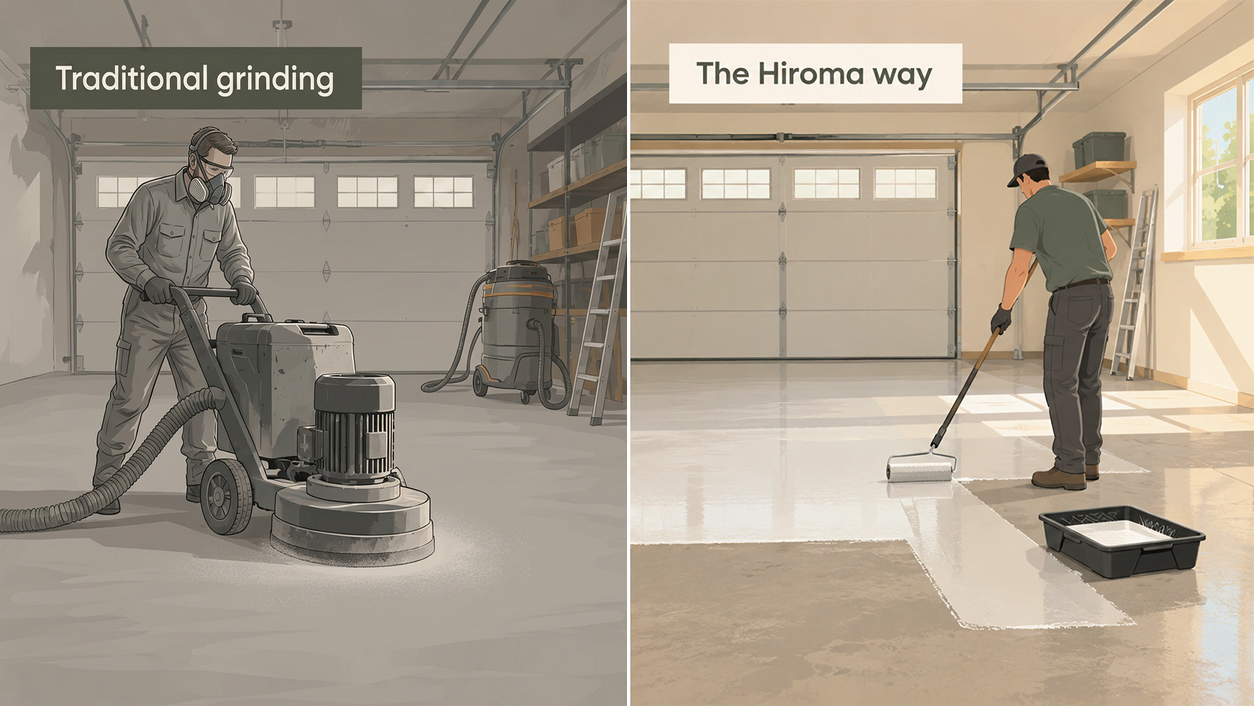
Illustration comparing traditional concrete grinding with Hiroma's roller-applied preparation

Concrete prep without grinding, for most garage floors

Most residential garage floors don't need any grinding. We inspect the slab first to confirm whether non-acid preparation is suitable. When it is, we prepare the concrete without a grinder, so your project moves forward with less disruption.

  • No grinder running in your garage
  • No days of dust and cleanup to plan around
  • The same finished floor, prepared a cleaner way

Some painted, sealed or otherwise unsuitable slabs, and heavy-traffic commercial floors, may still need grinding. Our slab inspection confirms what yours needs before any work begins.

See how the full system works

Looking for an epoxy garage floor in Austin?

People use “epoxy floor” to mean almost any coated concrete floor. If you’re comparing garage floor coatings, ask what each installer uses in each layer.

Hiroma doesn’t install a traditional epoxy floor. We evaluate your slab, use non-acid preparation when suitable, and apply a polyurea basecoat, decorative flake and a polyaspartic topcoat. We confirm when you can walk and park on the floor after reviewing the system and site conditions.

Epoxy vs. polyaspartic garage floors
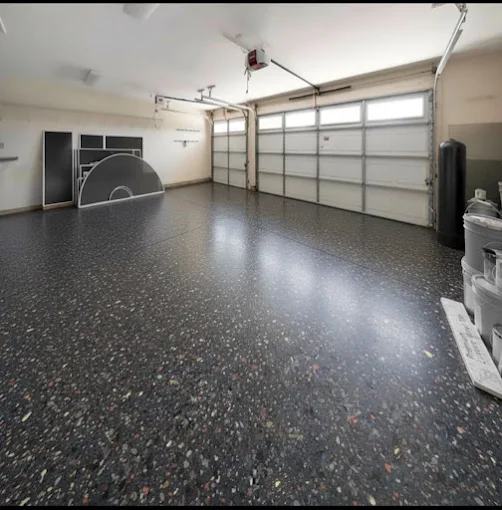
Gray decorative flake garage floor
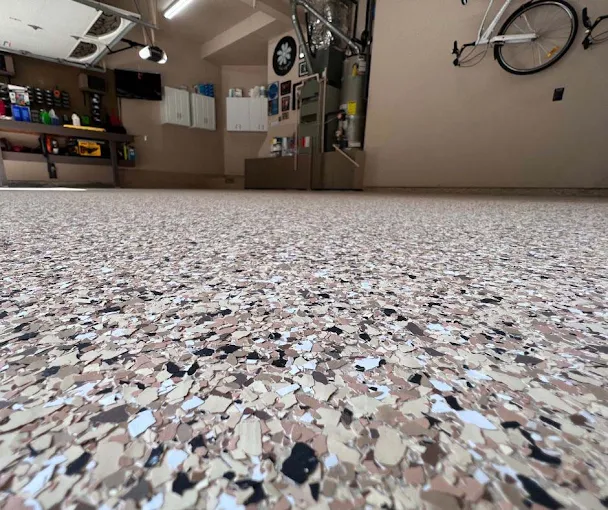
Close-up of tan decorative flake floor texture
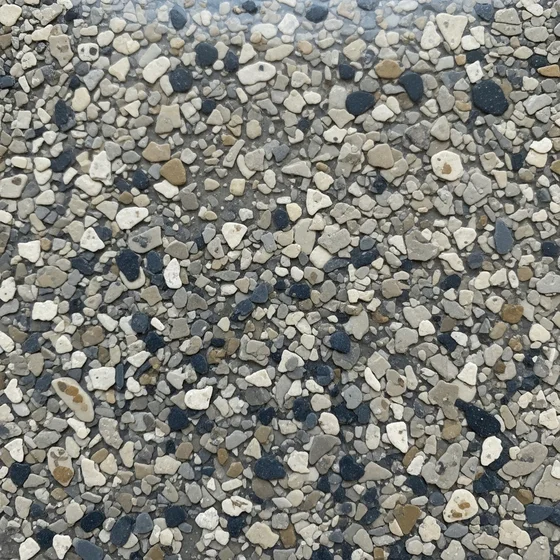
Decorative flake floor detail

Decorative flake colors for garage and patio floors

Your cabinets, walls and light all affect how a floor looks. Preview a decorative flake blend on a photo of your own space before deciding which direction to take.

Try finishes on your own floor

Upload a photo of your garage and preview demonstration palettes right in your browser.

Preview your floor

Want help choosing?

Previews are illustrative. Ask us about samples before making your final selection.

How a quote works: from photos to finished floor

1

Step 1: Send photos and approximate size

Add the approximate size and two or three clear photos in the quote form. Include a closer look at cracks, stains or an old coating.

2

Step 2: We review your space and explain the plan

We review what you've sent, ask any follow-up questions and evaluate the slab before confirming the preparation, scope and schedule.

3

Step 3: Choose your finish and prepare

Choose your flake blend. We'll confirm what you need to move and when the floor will be unavailable.

4

Step 4: Walk through your finished floor

After installation, we go over the floor with you and explain care, return-to-use guidance and the written warranty terms.

Where we install: Austin, Kyle, Bee Cave and the Hill Country

Check our current service areas before planning your project. If your area isn't listed, send a request and we'll let you know whether we can help.

View service areas
Austin, TXSan Antonio, TX
Houston(coming soon)
Dallas-Fort Worth(coming soon)
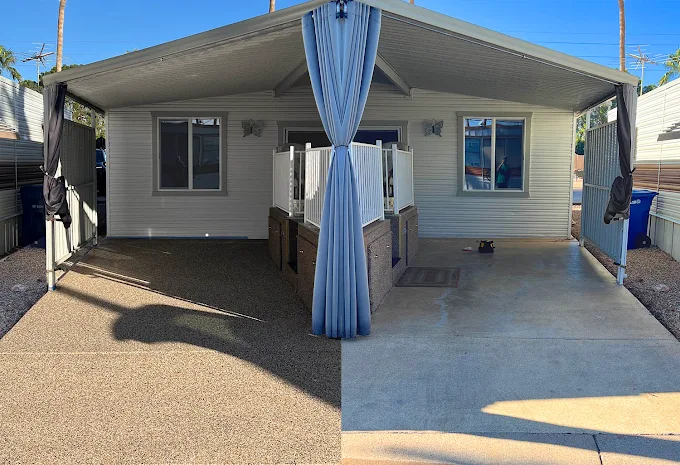
Carport floor before and after coating

Request a floor coating quote

You don't need to know which coating to ask for. Fill out our quote form, sending us a few photos, approximate dimensions, and any other pertinent information.

Step 1 of 3Project and ZIP

Your floor details

Garage floor coating FAQ

People call almost any coated concrete floor an epoxy floor, so that's the word most people search for. Ours is a layered system with a polyurea basecoat, decorative flake and a polyaspartic topcoat. Qualifying slabs use non-acid preparation. We're glad to explain how those layers differ from a traditional epoxy floor when we talk about your space.

We prefer not to grind at all. Most residential garage floors don't need any grinding. We inspect your slab to confirm whether non-acid preparation is suitable. Some painted, sealed or otherwise unsuitable slabs, and heavy-traffic commercial floors, may still need grinding. We'll explain what yours needs before work begins.

Photos tell us a lot, and they're the best place to start. We may still ask follow-up questions, and we'll evaluate the slab itself before we confirm the plan. Include a closer look at any cracks, stains or old coating.

It depends on the size of the space, the condition of the concrete, the preparation it needs and the finish you choose. Two floors rarely match, so we quote your space instead of working from a price list. Send the size and a few photos and we'll take it from there.

It depends on the floor and the system, so we confirm it after we review your photos. Before work begins, you'll know what to move, when the floor will be unavailable and when you can walk on it and park again.

Yes. Hiroma serves Austin, Kyle, Bee Cave and the Hill Country. See our service areas or contact us to confirm availability for your address.

Epoxy and polyaspartic are different materials. A traditional epoxy floor uses epoxy in its coating system. Hiroma uses a polyurea basecoat, decorative flake and a polyaspartic topcoat instead. Read: Epoxy vs. polyaspartic garage floors.
Read more floor coating FAQs
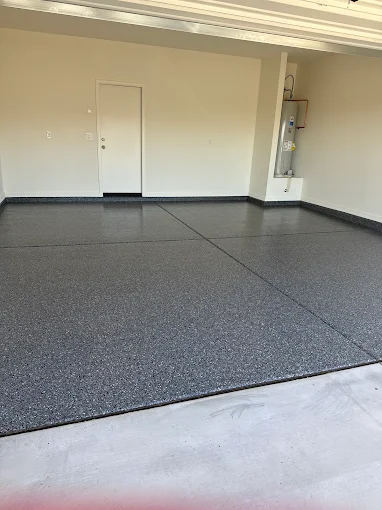
Finished decorative garage floor

Finish the floor you've put off for too long

Tell us how you use it. We'll look at what's underneath and help you understand the next step.